

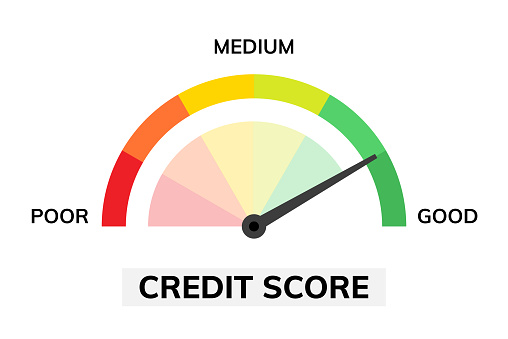
We’ll start with the basics. Your credit score is a number that represents how likely you are to pay off your debt. It’s calculated from information on your credit report, which includes details about where you live, whether you defaulted on a loan, and whether you were sued or had any bankruptcy.
A higher score means that lenders are more likely to lend you money at a reasonable interest rate and that it will be easier for you to rent an apartment or buy a house.
Step 1. Get on the right path to raising your credit score
The first step in improving your credit score is going the right way. That means you need to start paying off your debts and getting rid of credit card debt.
A good way to start is to pay off all debts that have the highest interest rates first. This will help you pay off those debts faster and save you money in the long run. If you’re not sure which debt has the highest interest rate, check your credit report for this information.
Another important thing to do is stop using new credit cards if you are having problems with your current ones. You may need a new card if you have a high interest rate or are at your limit, but this should be a last resort option rather than something you do regularly.
Step 2. To improve your credit score, stay on track
The first tip is to pay your bills on time. This is the most important thing you can do to have a good credit score.
Second, don’t apply for too many credit cards or loans at once. If you apply for too many in a short amount of time, it can negatively affect your credit score and make it difficult to get new loans and cards approved.
Third, if you are going to buy something expensive, like an apartment or car, make sure you have enough money saved and that the loan is approved before you make the purchase so that it doesn’t negatively affect your credit score in the future.
Step 3. Rebuild your credit rating if necessary
To rebuild your credit rating, you need to take the following steps:
- Find out what caused your bad credit rating in the first place.
- Clear any outstanding debts and make sure all payments are made on time.
- Request a copy of your credit report
- Dispute any incorrect information in the report and ask for it to be removed if necessary.
- If you have unpaid debts, make sure they are included in your bankruptcy or debt settlement plan before applying for a new loan or credit card.
Did you like this article?
You can share the loan information with your friends and family and on social networks. If you’d like help with any other loan questions or financial issues, check out our articles.

 <h1>Tips for improving financial practices with minimal effort</h1> <h2 style=' font-weight: normal; line-height: 1.2rem !important; font-size: 17px !important;'>Maintaining a healthy financial life is essential to achieving a happy and prosperous existence</h2>
  <h1>Australia has several promising startups that deserve attention in 2023</h1> <h2 style=' font-weight: normal; line-height: 1.2rem !important; font-size: 17px !important;'>Australia is making a name for itself in the startup scene, with an ecosystem that is growing rapidly</h2>
  <h1>Best personal loans available in Australia for July 2023</h1> <h2 style=' font-weight: normal; line-height: 1.2rem !important; font-size: 17px !important;'>As the end of the financial year approaches, it is highly recommended to review your personal loans</h2>
  <h1>What is an emergency fund and how to start building one?</h1> <h2 style=' font-weight: normal; line-height: 1.2rem !important; font-size: 17px !important;'>An emergency fund is a store of money that you can use to pay for emergencies, such as a sudden medical bill or car repair.</h2>
  <h1>The secret to getting your loan application process approved faster</h1> <h2 style=' font-weight: normal; line-height: 1.2rem !important; font-size: 17px !important;'>The key to getting your loan application approved faster is having a good credit score. This is because the lender has access to your credit report and will be able to determine whether or not you are a good risk for them.</h2>
  <h1>Debit Cards vs Credit Cards: Which to Choose?</h1> <h2 style=' font-weight: normal; line-height: 1.2rem !important; font-size: 17px !important;'>There are a lot of things you should consider when choosing a card. This article will help you make the right choice by detailing the features and benefits of debit and credit cards.</h2>